
Xala
XALA
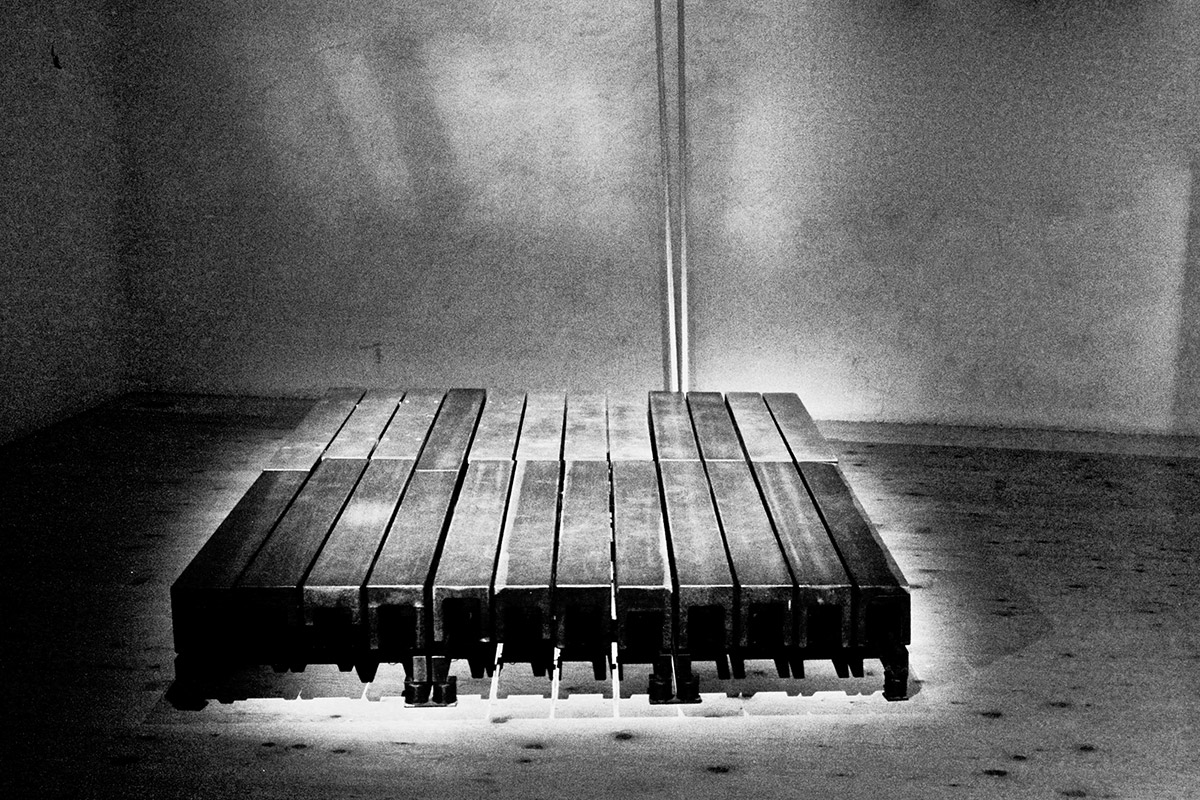
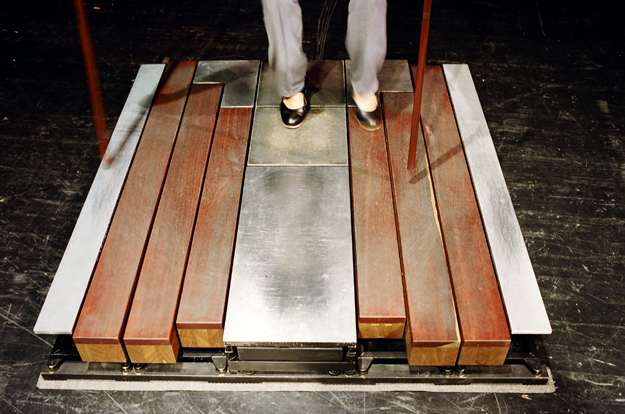
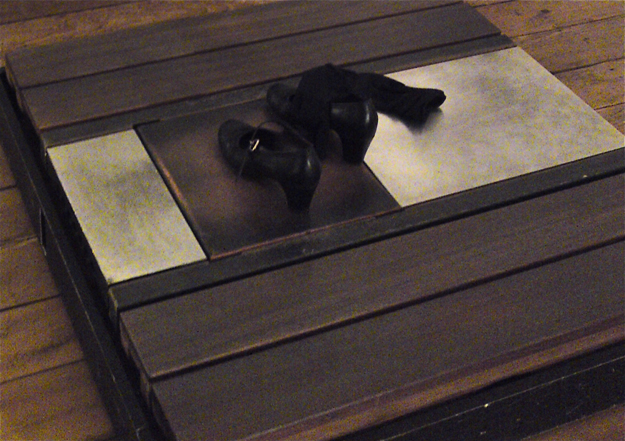
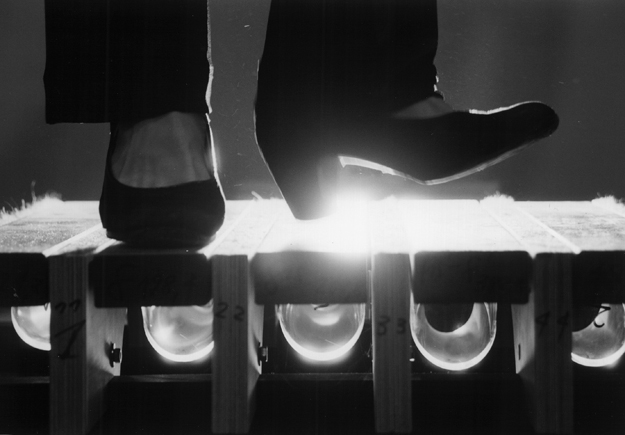
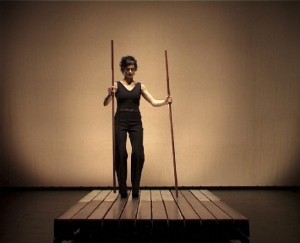 The Xala is a globally unique instrument that can be played by dancing. It is a magical sounding board with which Ania Losinger has created a fascinating synthesis of music and dance.
The music and dance performer brings this mainly acoustic sound object to life using flamenco shoes and two man-sized poles.
In close collaboration with musician and composer Mats Eser, she has been developing her own artistic ideas and concepts since 2005, which are performed internationally as concert performances, compositions, or music theater productions.
Today, there are already three Xalas, differing in size and timbre. Since their inception in 1998/99, they have been produced by the inventor and instrument maker Hamper von Niederhäusern.
More about the instruments
The Name Xala
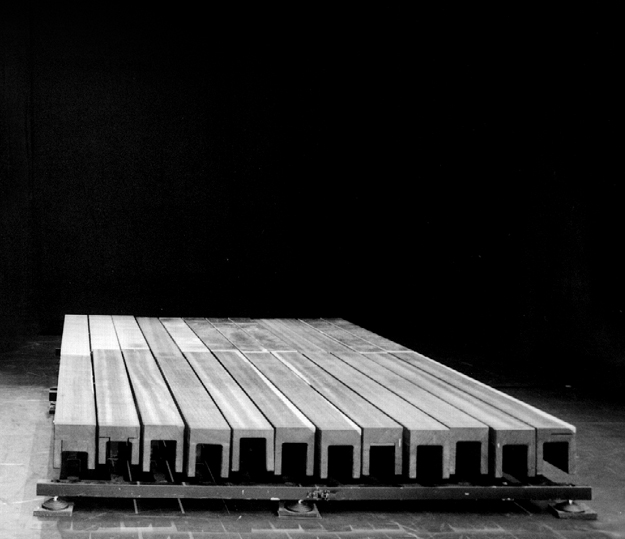
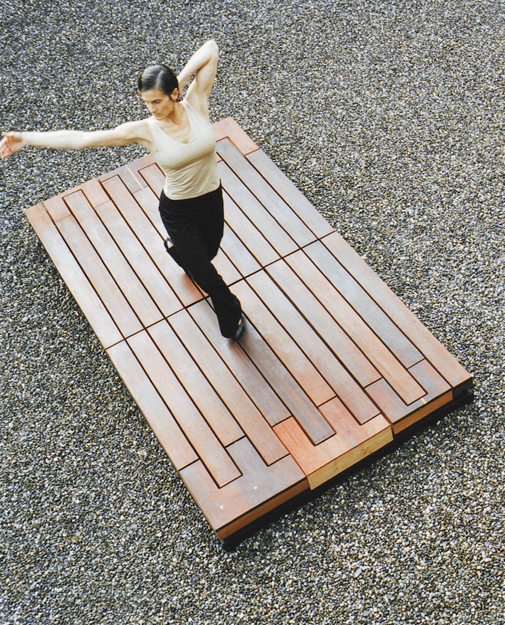
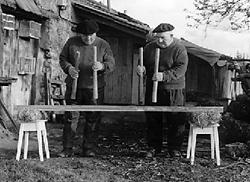 The name XALA is derived from the Basque percussion instrument txalaparta. Two or more wooden boards are placed side by side to form a txalaparta and played by two people facing each other with thick sticks held vertically. However, apart from the name and the vertically held sticks, our xala has no direct connection with the Basque instrument.
Xala generally stands for an instrument built of chiming bars and sounding plates made of wood, aluminum, stone, glass or concrete which can carry a person, resonate acoustically and which can be transported or installed permanently.
Hamper von Niederhäusern
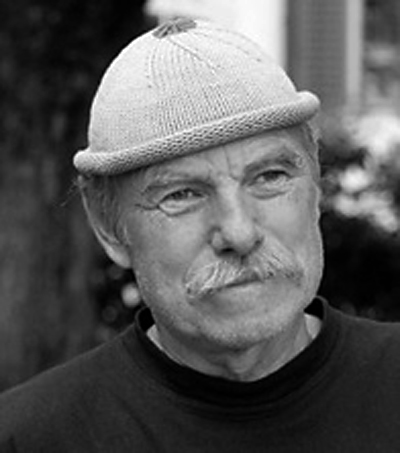 Hamper von Niederhäusern, born in Burgdorf (Switzerland) in 1946, gained his first experience of craftsmanship in his grandfather’s workshop and in the fields in Pohlern (Stockental, Bern), and dreamed of one day building an instrument. He trained as an artistic blacksmith at the LWB vocational school in Bern. After working in Bern, Fribourg, and Zurich, he set up his own metalworking workshop in Kaiserstuhl, where he designs and produces furniture and metalwork for construction projects. After furthering his education as an autodidact, he built his first fundamental and overtone-tuned bars for xylophones and marimbas in 1986. He opened his own instrument-making studio, VONIE, which laid the groundwork for the development and construction of the first XALA.